POA&M Management
A Plan of Action & Milestones (POA&M) is a strategic document outlining the systematic approach a contractor will adopt to address and rectify identified weaknesses in order to achieve compliance with established controls. A POA&M will identify the security categorization, enumerate weaknesses and deficiencies in security controls, evaluate the importance of weaknesses and deficiencies, describe the scope of each weakness as it relates to components in the environment, propose an approach to the mitigation of weaknesses and deficiencies, and lastly, describe the current progress in mitigating them.
Out of all 110 controls, the POA&Ms are available only for the controls that have a DoD weight of 1 point, all other controls have to be met at the time of assessment.
The ASCERA CMMC POA&M Management page serves as a centralized platform to facilitate effective management of existing POA&Ms. It not only enables users to effortlessly access existing POA&Ms but also offers the functionality to edit the existing ones and create new POA&Ms.
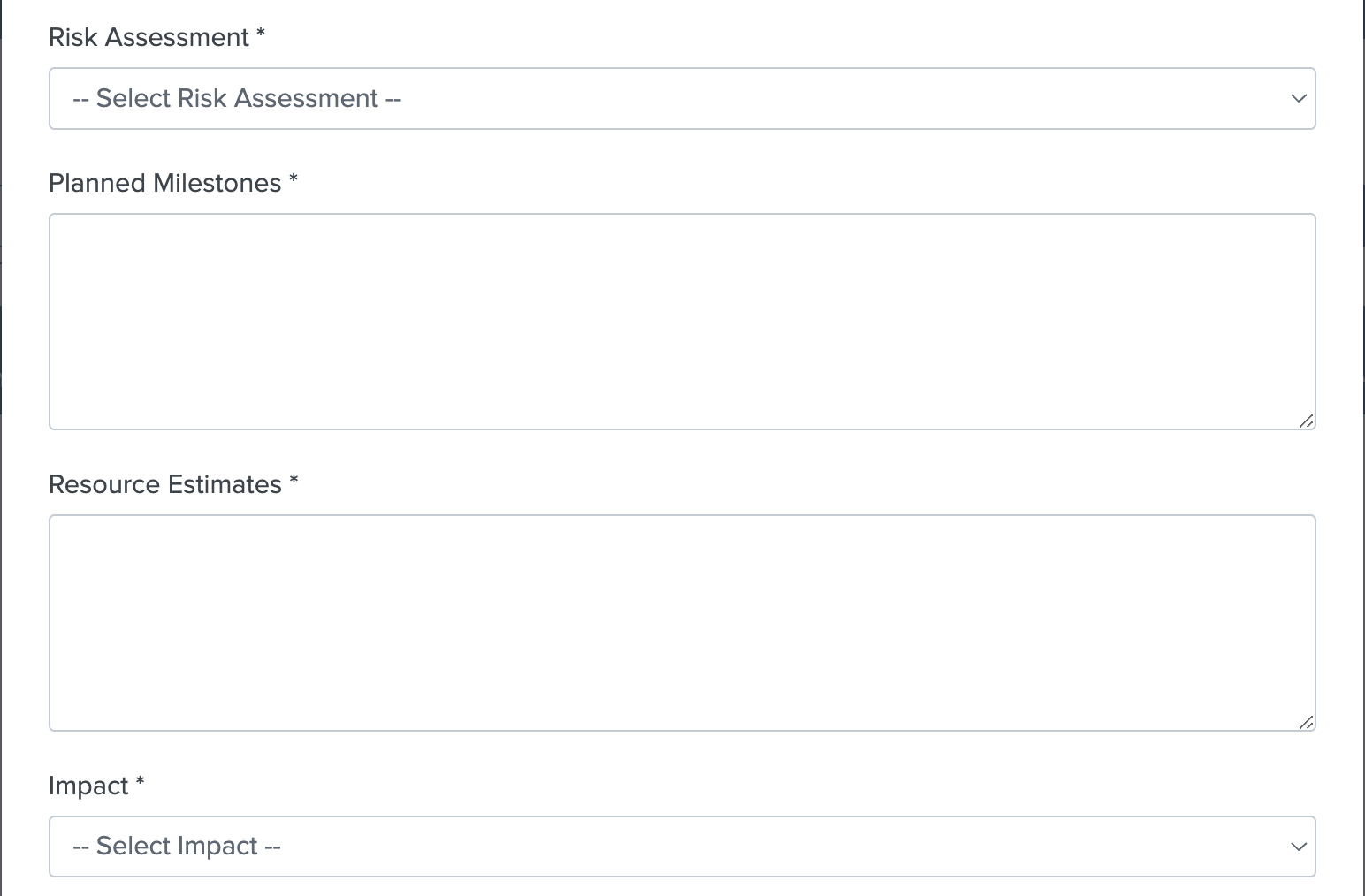
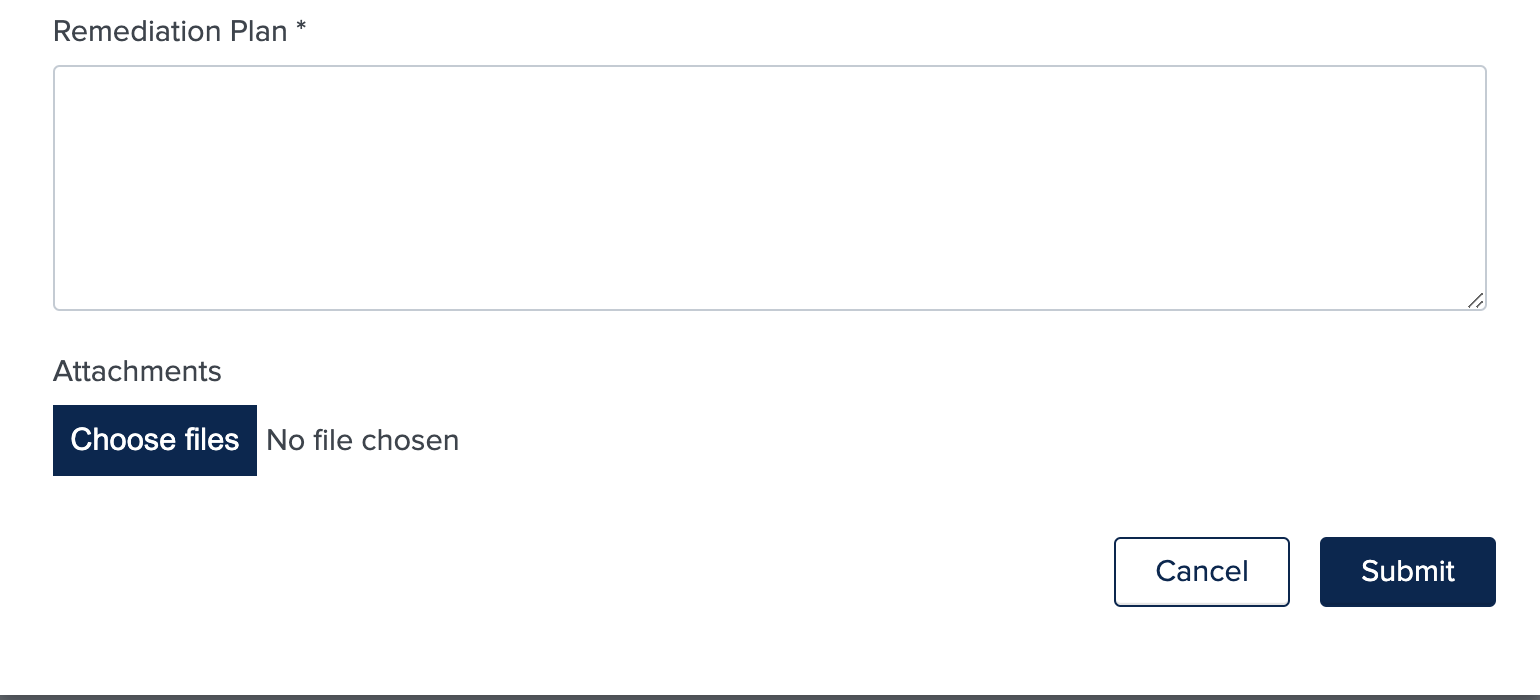
ASCERA CMMC facilitates the writing of POA&Ms by providing a template encompassing all requisite fields for a comprehensive POA&M.
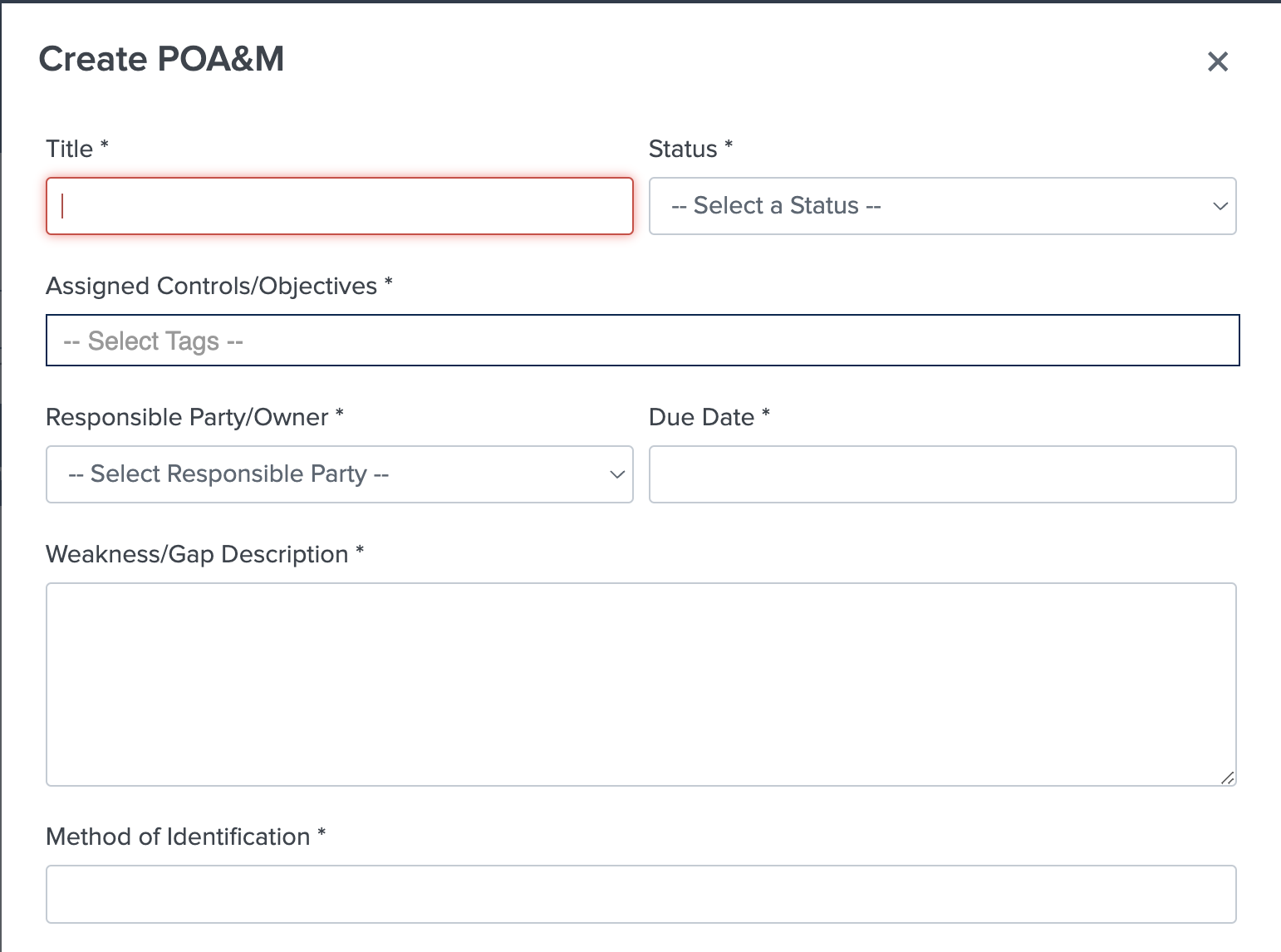
Title
The POA&M title is one of the elements that helps identify the POA&M and it has to be unique.
Status
The Status is used to track where on the life cycle of a POA&M it currently is. For example, if the POA&M is actively worked on, the status is In Progress and when a POA&M is completed, the status is Closed.
The POA&M table can be filtered by status to facilitate keeping track of the POA&Ms that need attention.
Assigned Controls/Objectives
A POA&M can be associated with one or more controls. Additionally, the linkage can occur both at the control and objective levels.
Responsible Party/Owner
The individual entrusted with the POA&M's execution receives email notifications upon its creation and/or modification.
The POA&M table can be filtered by the responsible party this was the individuals responsible for POA&Ms can identify only the POA&Ms that are assigned to them.
Due Date
A deadline for completing the POA&M is stipulated, and the document is set to expire 180 days after its creation.
Weakness/Gap Description
In this section, the creator of the POA&M provides a comprehensive description of the gaps impeding the organization's compliance with the control/objective.
Method of Identification
During audit preparation, three potential assessment methods for each practice can be adopted:
- Examination of assessment objects
- Interviews with relevant personnel
- Testing of assessment objects under predefined conditions
Risk Assessment
This refers to the probability of a specific risk event occurring. It assesses the chances of a particular threat or vulnerability being exploited, leading to a security incident or breach. When considering risk, the POA&M creator is trying to gauge how likely it is that a certain vulnerability will be exploited by a threat actor.
Planned Milestones
This section entails a detailed listing of all milestones and their corresponding due dates.
Impact
The impact refers to the potential consequences or severity of a security incident if it were to occur. It evaluates the magnitude of damage that could result from the exploitation of a vulnerability.
Remediation Plan
The role of the remediation plan is to address and mitigate identified risks and vulnerabilities. A remediation plan outlines the steps, actions, and timeline needed to correct and eliminate the issues that have been identified during risk assessments and security evaluations. Once the shortcomings are addressed and remediated, the control is satisfied which results in compliance with CMMC.
Attachments
Users are provided the option to append pertinent documents or resources relevant to the POA&M. Some of the documents that can be attached to a POA&M are:
- Vulnerability Assessment Reports - provide specific information about vulnerabilities, their severity, and potential attack vectors.
- Risk Assessment Documentation - helps provide a comprehensive view of how risks are prioritized and mitigated.
- Security Architecture Diagrams - help stakeholders understand the layout of your infrastructure and how security measures are implemented.
- Remediation Action Plans - detail the timeline, resources needed, and milestones for completion.
- Incident Response Plans - outline how security incidents related to specific vulnerabilities will be handled.
By harmonizing these key elements within the ASCERA CMMC POA&M Management framework, organizations can systematically tackle identified weaknesses and enhance their overall control and compliance landscape. This proactive approach not only fosters security but also contributes to the integrity and robustness of the organization's operations.